
Summary of the Case
MFA is working to restore locally adapted food security practices and deploying off-grid solar and water systems that make recovery sustainable. Because these systems are decentralized and community-run, they keep working even when the grid does not.
Campaign Goals & Impact
About This Campaign
MFA is working to restore locally adapted food security practices and deploy off-grid solar and water systems that make recovery sustainable. Because these systems are decentralized and community-run, they keep working even when the grid does not.
For example, agriculture was the backbone of Syria's economy and the anchor of its rural communities. Its collapse left the country facing a structural wheat deficit of 2.7 million metric tons per year and chronic vulnerability to drought and heat stress, conditions projected to intensify with climate change.
The same pattern recurs across the crisis-affected communities where MFA works: collapsed local production, dependence on imports and centralized infrastructure, and rising climate stress.
Our Approach
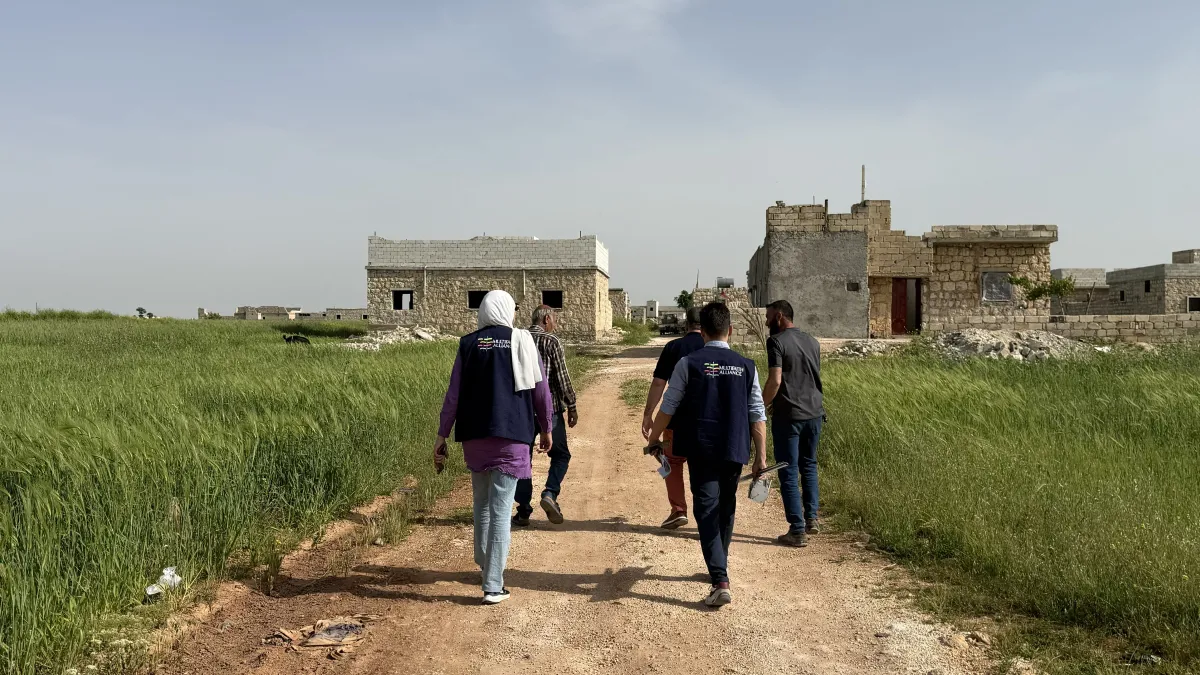
MFA's agriculture and energy programming across Syria addresses both the immediate and the structural. In North Aleppo, we are starting to support smallholder farmers with certified, locally adapted Syrian wheat varieties that were displaced during the conflict by higher-water-demand imports. Alongside cultivation support, we deploy decentralized solar and water generation, and agricultural support systems that let communities produce food and power without waiting for centralized infrastructure to return.
Key Program Components:
- Certified Local Seed Restoration: Returns climate-adapted varieties to Syrian fields, improving productivity under water-constrained conditions.
- Field-Level Technical Assistance: Covers cultivation planning, irrigation management, and training in climate-resilient practices.
- Off-Grid Water and Energy Systems: Keep communities running independently of central infrastructure.
- Structured Yield Measurement: Documents what works, building an evidence base for scaling recovery across Syria and comparable environments.
Impact & Results
MFA's pilot in North Aleppo is designed to support approximately 100 smallholder farmers cultivating roughly 100 hectares of irrigated wheat with restored local varieties and water-efficient methods. Harvest surpluses will be channeled to local mills and bakeries, strengthening the food economy beyond the farm gate.
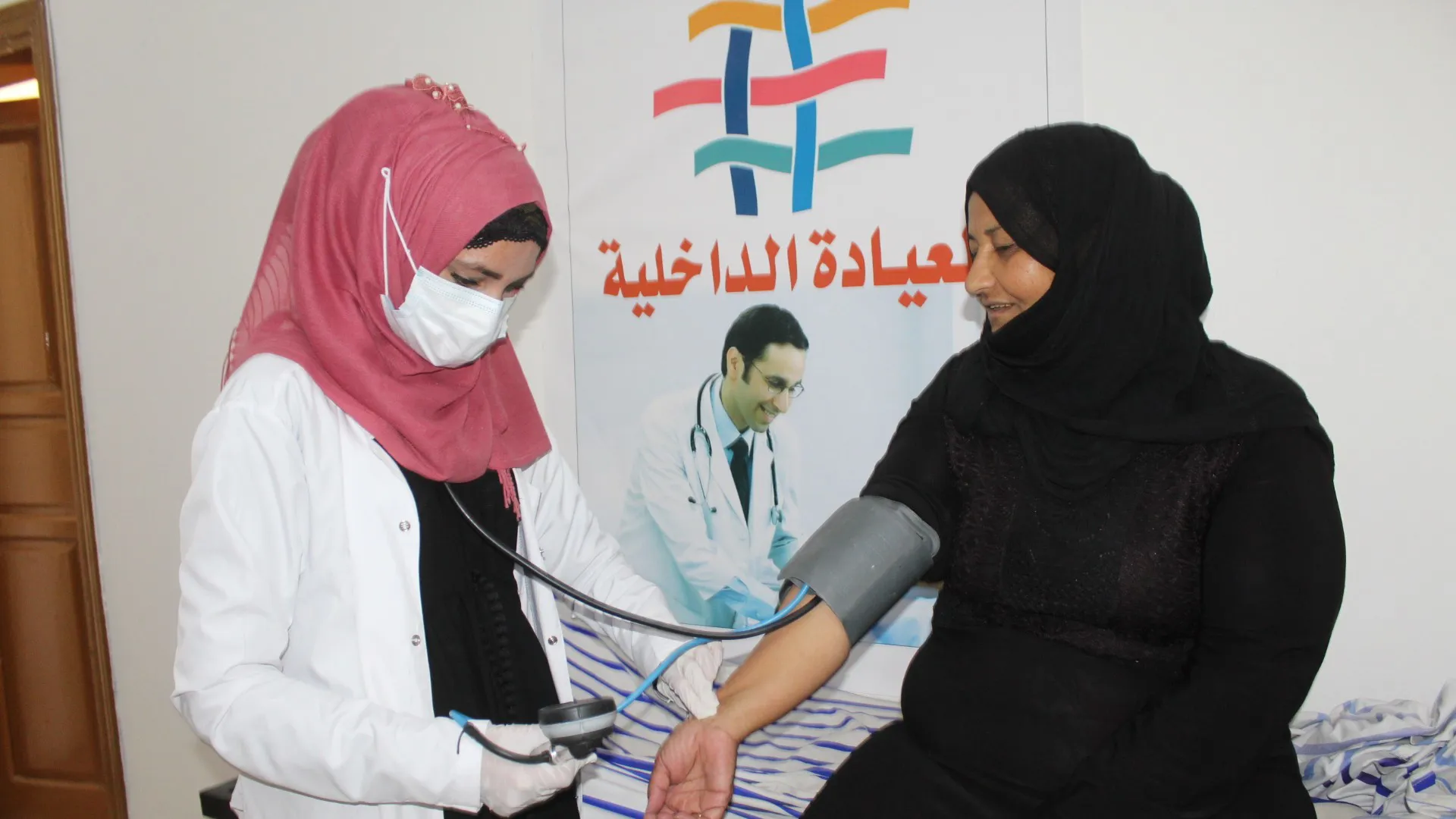
In Northeast Syria, ten fully solar-powered Watergen units generate clean drinking water, one of them supplying a primary school. Our Primary Healthcare Center runs entirely on solar power and off-grid water technology, keeping care flowing even when the grid goes down.
This work extends MFA's integrated Syria programming, which has reached 564,000 people with health, water, energy, and food support through trusted local networks, and lays the groundwork for applying the same model in other geographies MFA serves.
How You Can Help
Your donation puts certified seed in the ground, keeps technical support in the field, and powers communities with clean, decentralized energy.
Comments
Related Campaigns
 Featured
 Featured
Leave a Comment