
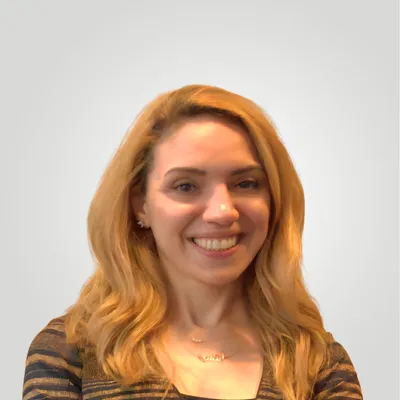
A first-person reflection from Ahed Festuk, Logistics Manager for the Multifaith Alliance.
A Rhythm Built for Emergencies
For a long time, my job had a simple rhythm: something happens, we respond. Emergency containers, emergency shipments, straight to Syria or Gaza. Every medical device, every medication, every item we sent was an answer to a crisis already underway.
I think about a water filter. To someone who's never had to think twice about clean water, it sounds like a small thing. But to people who have gone without it for years, it's everything. When we got clean water flowing again in Syrian communities, I watched it do more than solve a single problem, it lifted whole communities, brought life back to places that had been struggling for a long time. That's a small intervention with an outsized effect, and it's exactly the kind of visible, immediate change that convinces me this work matters.
That rhythm — respond, ship, repeat — is starting to change, and I want it to change more.
From Reacting to Rebuilding
I'd like to see us expand beyond emergency response and become part of the actual rebuilding. That means a different way of working: instead of reacting to what's urgent, we need to find out exactly what supplies are needed on the ground to support recovery and get people what they need for that next phase. We're already a registered NGO in both Gaza and Syria, which gives us a real foundation to build from, and we work with global partners all around the world, but there are so many more communities to reach.
Getting there means changing how I think about my own role.
I am moving away from the one-two-three checklist of emergency shipping and toward something closer to development logistics: understanding not just how to move goods fast, but how to build the right relationships — customs clearance, local partners, sustained supply chains — for a longer-term kind of work.
We Read the Ground
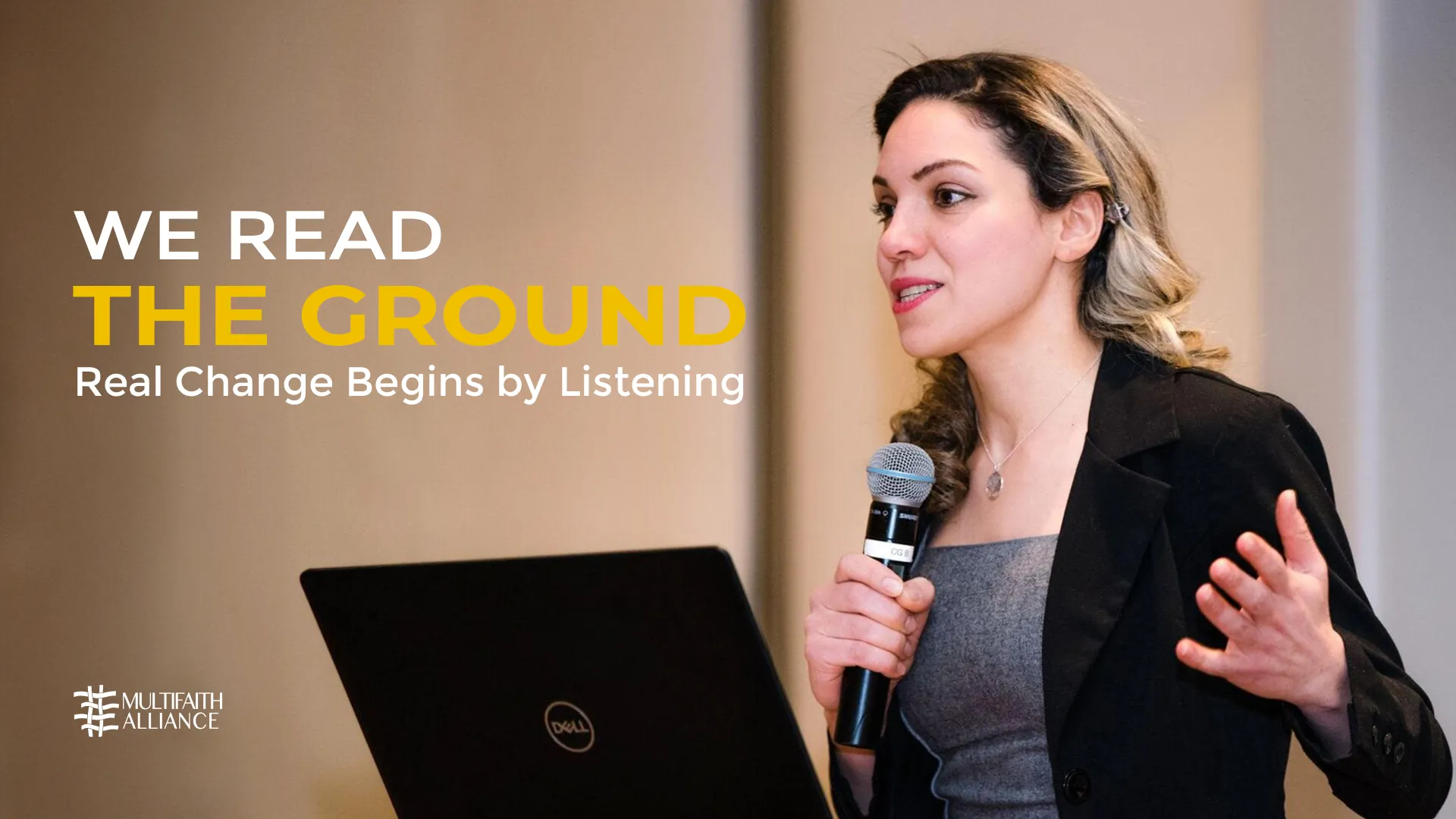
What I think makes MFA different is simple: we read the ground. We're in direct contact with the people we serve, so we're not sending things nobody asked for. Especially with medical supplies, we stay in near-daily contact between the health facilities and our team, both on the ground and back in the U.S. That constant back-and-forth — what's needed, what's coming, what we could be doing better — is where the trust comes from.
When Speed Is the Whole Point
Speed matters too. Most of our shipments move in about a month, but when something is urgent, we ship by air. During the siege on Gaza, we got peanut-based food supplements for children there in just three to four weeks, while hundreds of other shipments sat waiting at the port. That's not luck, that's the network and the urgency we build into everything we do, and it's what lets aid reach people who need it most instead of getting stuck somewhere in transit.
Building Something That Grows
My hope is that this approach can grow. I want to see it expand to more local teams, permanent local facilities, and this same model applied in other countries facing crisis or working through recovery. Moving past emergency aid toward real economic stability, community development, and self-sustaining agriculture means we're not offering a temporary fix. We're trying to generate change that lasts.
Why We Keep Showing Up
People sometimes ask how we stay hopeful doing this work. Honestly, it's because most of us have lived some version of it. Our CEO, Shadi Martini, I, our founder, a lot of us carry a refugee history somewhere in our own story, some experience of having to leave home and navigate a country in crisis firsthand.
It's exactly why we keep showing up for this. And when the team on the ground sends back pictures or videos of what our work has made possible, genuinely proud of it, that's what keeps everyone going, them and us.
Looking ahead, what I want most is simple: a world where local agency and self-sustaining growth aren't the exception; they're the standard. That's what we're building toward, one shipment, one partnership, one community at a time.
— Ahed Festuk, Logistics Manager, Multifaith Alliance


Comments
Share your thoughts. Comments require admin approval before appearing.
Leave a Comment