
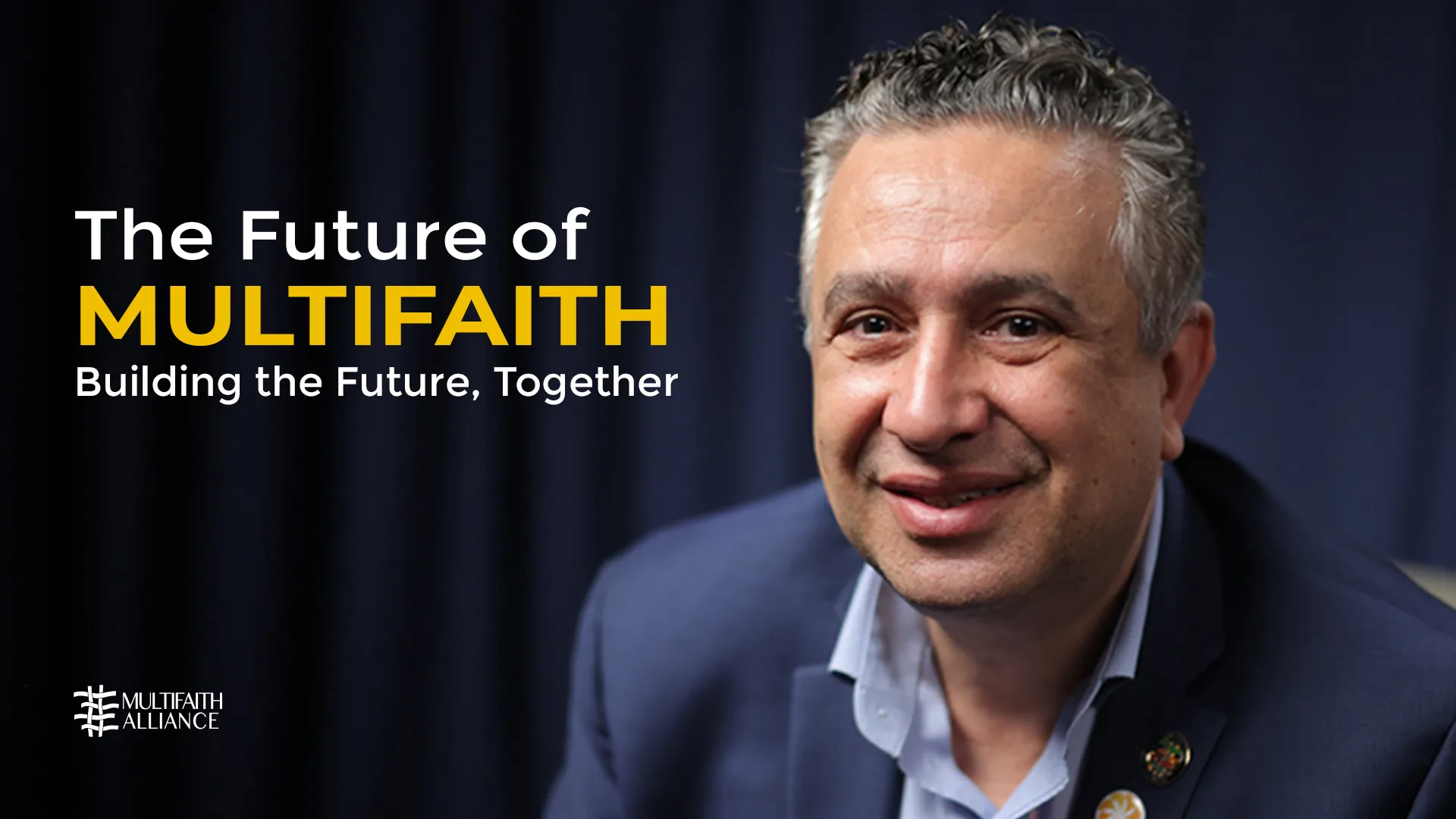
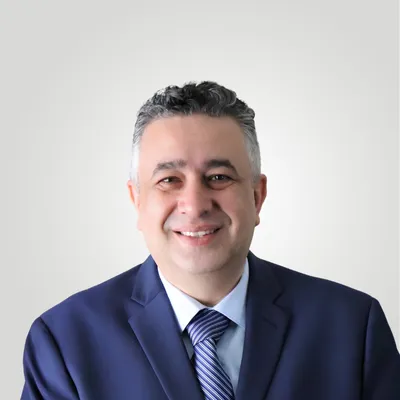
A first-person reflection from Shadi Martini, CEO of the Multifaith Alliance, on the organization's next chapter.
A Need That Keeps Shifting
Since the day we started, the Multifaith Alliance has operated with one instinct: go where the need is and fulfill it. That hasn't changed. What has changed is the need itself.
We built this organization to respond to emergencies — sending medical supplies, medications, food, whatever a crisis demanded, as fast as we could get it there. But conflict zones don't stay frozen in emergency. They shift. And when they do, the need shifts with them, from crisis response to early recovery: helping people rebuild their lives in ways that also help prevent the next conflict.
Syria: A Glimpse of What Comes Next
Syria is where we're seeing this most clearly. Active conflict there has been over for a while now, so we're in a different phase of work, rebuilding homes so displaced families can move out of camps and back into their communities. We've rebuilt around 80 homes so far. Almost 70 families have returned home because of it. That's not emergency response. That's rebuilding. And it's teaching us what to prepare for in Gaza, Ukraine, and other places once they reach a similar turning point.
Precision Through Technology
Alongside that, we're looking hard at how AI can make us better at what we already do — figuring out exactly which medications and supplies a region needs, and getting them to the right hospital, clinic, or pharmacy without waste or delay. We're still early in this. But the direction is clear: use technology to serve people faster and more precisely, whether that's in medicine, reconstruction, research, or micro-financing.
What Gives Me Hope
What gives me the most hope isn't a program; it's what I see happening in the communities themselves. People want to rebuild. They want to reopen businesses, farm their land again, stop waiting for aid, and start building their own way forward. In Syria, we're investing directly in agriculture for exactly this reason: after the war, there's farmland sitting idle and farmers ready to work it again. Helping them do that is some of the most direct, high-return work we do.
From Operator to Platform
There's a bigger shift underneath all of this, and it's one I think about constantly. For most of our history, MFA has been an operator: we identify needs, procure supplies, move them across borders most organizations can't reach, and get them to the last mile. That work doesn't stop.
But we're increasingly also becoming something else — a platform. Our interfaith and diaspora networks, and the trust we've built with communities on the ground, aren't just what let us deliver aid. They're infrastructure that other organizations, funders, and even private capital can build on. We're exploring how to open that infrastructure up through partnerships that bring catalytic capital into fragile markets where philanthropy alone will never be enough. By building a rail that lets more resources, from more sources, reach the places we already know how to reach.
Staying Lean by Design
If there's one thing I want people to take away, it's this: MFA has always run like a startup, and we intend to keep it that way. We don't want to become a huge, bureaucratic organization. Too many humanitarian groups grow to resemble the very institutions — often governments — that fund them: slower, more layered, less able to react. We've built MFA specifically to avoid that. We stay small enough to move fast and focused enough to put resources where they'll have the greatest impact.
That focus extends to how we grow. As we take on more funding, we're not going to build bigger headquarters — we're going to invest more in the local teams already doing this work on the ground. Our local employees have real stakes in their communities' futures, and that's exactly why they should be leading them. It's also, frankly, where every dollar goes furthest.
The Real Problem We're Solving
The humanitarian sector doesn't have a needs problem. It has a capital problem and a trust problem. Most organizations can't solve either, because they were never built to be more than a pipeline for aid.
We were built differently, close enough to the ground to know exactly what's needed and lean enough to move fast on it. That combination is rare, and it's why we believe MFA isn't just positioned to respond to the next crisis. We're positioned to build the infrastructure that helps entire regions stop needing us in the same way ever again. That's the future we're building toward, and we're just getting started.
— Shadi Martini, CEO, Multifaith Alliance


Comments
Share your thoughts. Comments require admin approval before appearing.
Leave a Comment