
تقديم مدونة مؤسسة تحالف الأديان
تتسبّب النزاعات في نزوح أعداد أكبر من الناس، ولفترات أطول، مقارنةً بأي وقت آخر في التاريخ الحديث تقريباً. ومع ذلك، فإن الأنظمة التي صُمِّمت للاستجابة كانت مبنية على أساس أن حالات الطوارئ لها نهاية، لا على أساس أزمات تتطور باستمرار وتتطلب ابتكاراً مستمراً. هذه الفجوة بين طريقة استجابة العالم وما تتطلبه اللحظة فعلاً هي ما وُجدت هذه المدونة لاستكشافه.
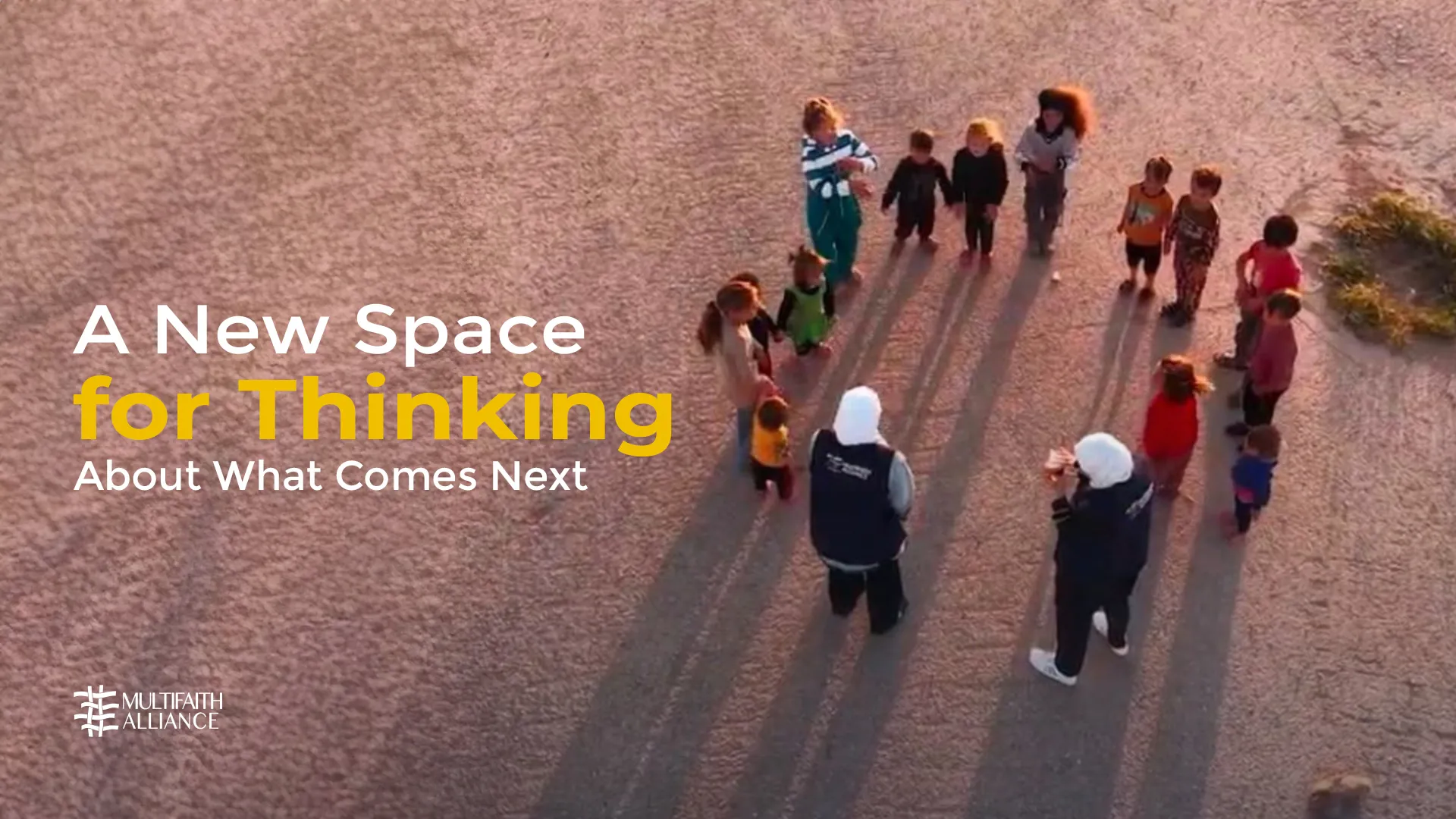
نُطلق اليوم مدونة مؤسسة تحالف الأديان: فضاء للتفكير الجرأة والدقيق في مستقبل النزاعات والأزمات والتعافي والصمود، وفي الأشخاص والأفكار التي تُعيد تشكيل طريقة إنجاز هذا العمل.
لماذا نفعل هذا
في مؤسسة تحالف الأديان، قضينا سنوات نعمل خارج الافتراضات التي حدَّدت طويلاً ملامح الاستجابة الإنسانية. يتشكّل عملنا بناءً على حاجات المجتمعات التي نخدمها، لا بناءً على بنية نظام صُمِّم لعصر مختلف. وهذا النموذج القائم على قيادة المجتمع هو بالضبط ما جعلنا لا نشعر يوماً بأننا مُلزَمون بأداء الأمور كما كانت تُؤدَّى دائماً، وهو ما يتيح لنا أن نرى، عن قرب، مدى المساحة المتاحة لأدائها بشكل أفضل.
ونعلم أيضاً أننا لسنا وحدنا في هذا. فالجهات المانحة والممارسون والباحثون وقادة المجتمعات يتحرّكون في الاتجاه نفسه، يختبرون نماذج جديدة ويطرحون أسئلة أكثر جرأة. وهذه المدونة هي محاولتنا لجمع هذه الطاقة في مكان واحد: لإعطاء جيل جديد من التفكير حول النزاع والتعافي فرصة التبلور، ولأخذ الآخرين معنا في هذه الرحلة.
كيف سنستخدم هذا الفضاء
نريد لهذه المدونة أن تتعامل مع مستقبل التعافي من النزاعات بنفس الدقة والإلحاح والطموح الذي يُخصّصه العالم لأي تحدٍ آخر محوري في عصرنا. وهذا يعني نشر أعمال مستندة إلى الأدلة والخبرة المعاشة، لكنها لا تخشى تجاوز الحكمة التقليدية حول كيفية عمل الاستجابة والتعافي.
عملياً، يمكنكم توقّع ثلاثة أنواع من الكتابة هنا:
- • وجهات نظر شخصية من ممارسين وصانعي سياسات وقادة مجتمعيين، يشاركون رؤية إلى جانب خطوات عملية لتحقيقها.
- • أبحاث وبيانات ودراسات حالة أصلية تُظهر أدلة جديدة حول ما هو ممكن في عمل الاستجابة والتعافي والصمود.
- • تأملات جريئة، وقد تكون جدلية أحياناً، حول طرق عمل جديدة، من نماذج تمويل وتشغيل جديدة، إلى تقنيات جديدة، إلى طرق جديدة لوضع الأشخاص الذين يعيشون الأزمة في مركز الاهتمام.
نهتم بشكل خاص بمجالات إعادة البناء والطاقة والزراعة والصحة والتكنولوجيا والتمكين الاقتصادي، وهي المجالات التي تعمل مؤسسة تحالف الأديان على تطويرها فعلياً. لكننا لن نحصر أنفسنا فيها. فالأهم هو وجود وجهة نظر حقيقية حول إلى أين يمكن، وينبغي، أن يتّجه هذا المجال، وكيف ولماذا.
الأصوات التي نأمل في استضافتها
غالباً ما يُروى هذا المجال من خلال مجموعة ضيقة من الأصوات. نريد العكس تماماً. هدفنا هو الجمع بين وجهات نظر من مختلف أطراف هذا النظام: صانعو السياسات والممارسون الإنسانيون، والباحثون والتقنيون، ورواد الأعمال، والأهم من ذلك، قادة من المجتمعات النازحة والمتأثرة بالأزمات أنفسهم.
فالأشخاص الذين يعيشون الأزمة يفهمون ديناميكياتها أكثر من أي شخص آخر، وينبغي أن تكون رؤيتهم في مركز أي نقاش جاد حول ما هو قادم، لا على هامشه. فإن كنتم تعملون، أو تفكّرون بعمق، في مستقبل النزاعات والتعافي، فإننا نريد أن نسمع منكم.
انضموا إلينا
سننشر بشكل منتظم، وهذا الفضاء مفتوح للمساهمين. إن كانت لديكم وجهة نظر تودّون مشاركتها، سواء كانت تأملاً شخصياً، أو بحثاً جديداً، أو حجّة تتحدّى طريقة أداء هذا العمل، فسيسعدنا قراءتها. تواصلوا مع إيلانا بانين، رئيسة الاستراتيجية والشراكات، على البريد الإلكتروني elana.banin@multifaithalliance.org.
الأنظمة التي بُنيت لعصر مختلف لن تحملنا عبر هذا العصر. فلنفكّر معاً في ما سيحملنا.


التعليقات
شارك رأيك. تحتاج التعليقات إلى موافقة المشرف قبل ظهورها.
أضف تعليقاً